 Save
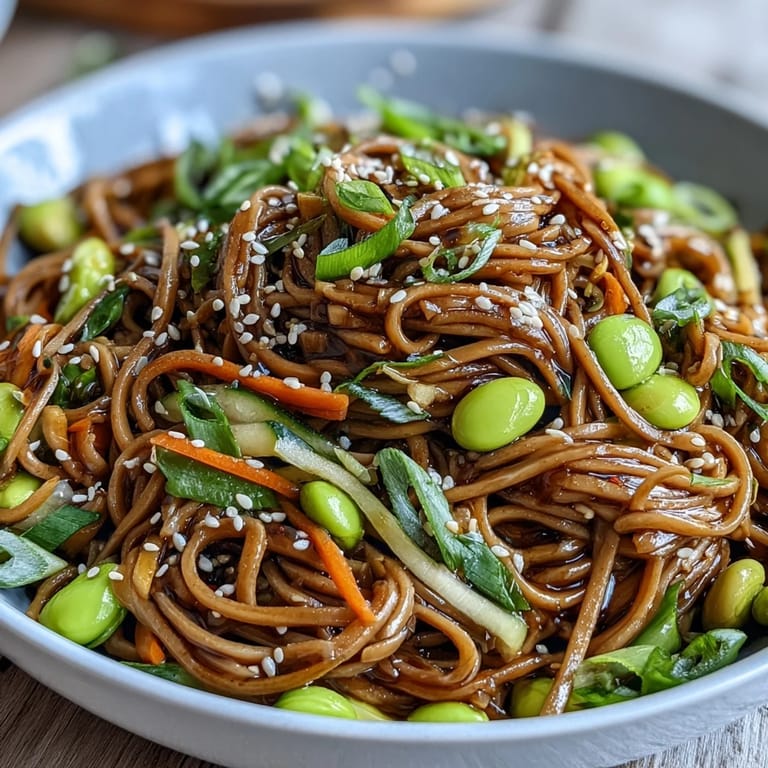
Save My neighbor handed me a bowl of soba noodles on a sweltering afternoon, and I realized I'd been overthinking lunch for years. The noodles were perfectly chewy, the vegetables snapped between my teeth, and that sesame dressing somehow tasted both bold and delicate at once. She laughed when I asked for the recipe—said it took her all of twenty-five minutes, start to finish. That bowl became my summer staple, the thing I'd make when the kitchen felt too hot for anything serious but my appetite demanded something real.
I made this for a potluck once where everyone brought heavy casseroles, and people actually came back for seconds of a cold noodle bowl. One guest asked if it was complicated—I told her the truth, and she made it that week and texted me a photo of her own version with extra cucumber. That's when I knew this recipe had legs.
Ingredients
- Dried soba noodles (250 g): These buckwheat noodles have a subtle earthiness that stands up to bold flavors without overwhelming the palate, and they cook in about ten minutes flat.
- Shelled edamame (1 cup): A quick blanch transforms these from frozen blocks into tender, protein-packed pops of flavor that actually make the bowl feel substantial.
- Cucumber (1 medium): Julienned thin, it stays crisp and adds a refreshing coolness that balances the richness of the sesame dressing.
- Carrots (2 medium): The same julienne treatment gives them a delicate texture that doesn't compete with the other vegetables.
- Scallions (2): Thinly sliced, they add a gentle onion bite that ties everything together without shouting.
- Toasted sesame seeds (2 tbsp): These are non-negotiable—they add texture and a nutty depth that feels like a professional touch.
- Fresh cilantro or mint (1/4 cup): Optional but worth the extra trip to the produce section, as they brighten the whole bowl with their green, herbaceous presence.
- Soy sauce (3 tbsp): The backbone of the dressing, providing umami and salt that makes every element taste more like itself.
- Rice vinegar (2 tbsp): This gentle acid lifts the flavors without the harshness of regular vinegar, leaving the dressing balanced and clean.
- Toasted sesame oil (1 tbsp): A small amount goes a long way—this is where the magic happens, adding an aroma that makes your kitchen smell like somewhere you want to stay.
- Tahini or smooth peanut butter (1 tbsp): Creates a silky body in the dressing that coats the noodles evenly and makes each bite feel luxurious.
- Honey or maple syrup (1 tbsp): Just enough sweetness to round out the savory and tangy notes without making this dessert.
- Fresh ginger (1 tsp grated): A small amount adds warmth and a subtle spice that lingers pleasantly on the palate.
- Garlic clove (1 small minced): Don't skip this—it anchors the dressing with depth and a little punch.
- Water (1 tbsp): Thinning the dressing to the right consistency is the difference between a coating and a puddle.
Tired of Takeout? 🥡
Get 10 meals you can make faster than delivery arrives. Seriously.
One email. No spam. Unsubscribe anytime.
Instructions
- Bring water to a boil and cook the soba:
- Follow the package directions closely—most soba noodles cook in eight to ten minutes. You'll know they're done when they're tender but still have a slight chew, not mushy.
- Drain and rinse the noodles:
- Cold water stops them from cooking further and washes away excess starch so they don't clump together. This step is essential for that separated, individual noodle texture.
- Blanch the edamame while the noodles cook:
- Drop them into the same boiling water for two to three minutes until they're bright green and tender. Drain and set aside to cool slightly.
- Whisk the dressing in a small bowl:
- Combine all the sesame dressing ingredients and whisk until the tahini fully incorporates and everything looks smooth and emulsified. Add water a little at a time until it reaches a pourable consistency.
- Julienne the vegetables:
- Use a sharp knife or a mandoline to cut the cucumber and carrots into thin matchsticks—this gives them that delicate, elegant look and keeps them tender in each bite. Slice the scallions on a slight bias for a polished finish.
- Toss the cooled noodles with half the dressing:
- In a large bowl, gently combine the noodles with half of the sesame dressing so every strand gets coated without breaking. This ensures even flavor distribution throughout.
- Assemble the bowls:
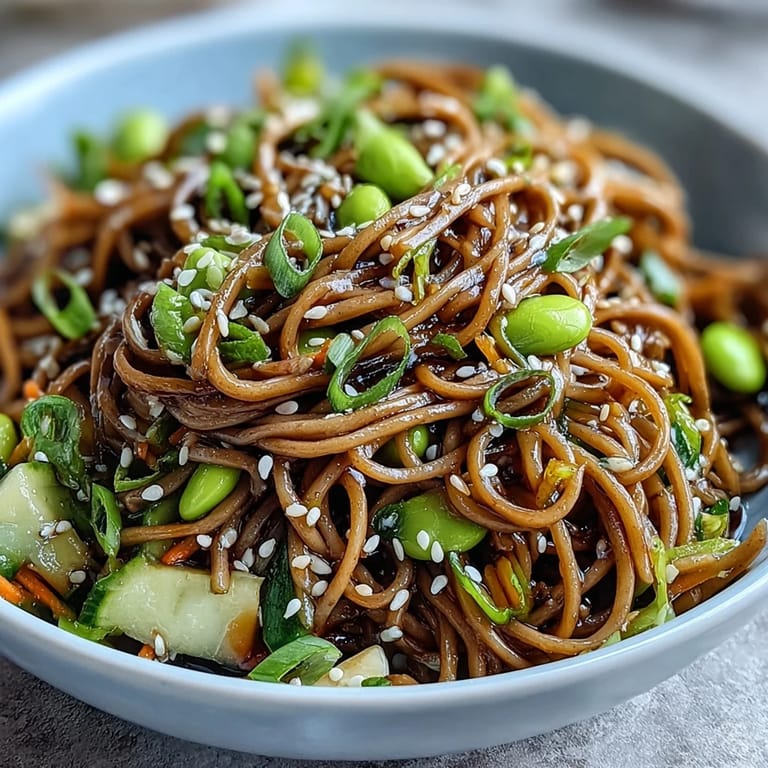
- Divide the dressed noodles among four bowls, then top each with a generous handful of edamame, cucumber, carrots, and scallions. Arrange them so the bowl looks intentional and inviting.
- Drizzle and garnish:
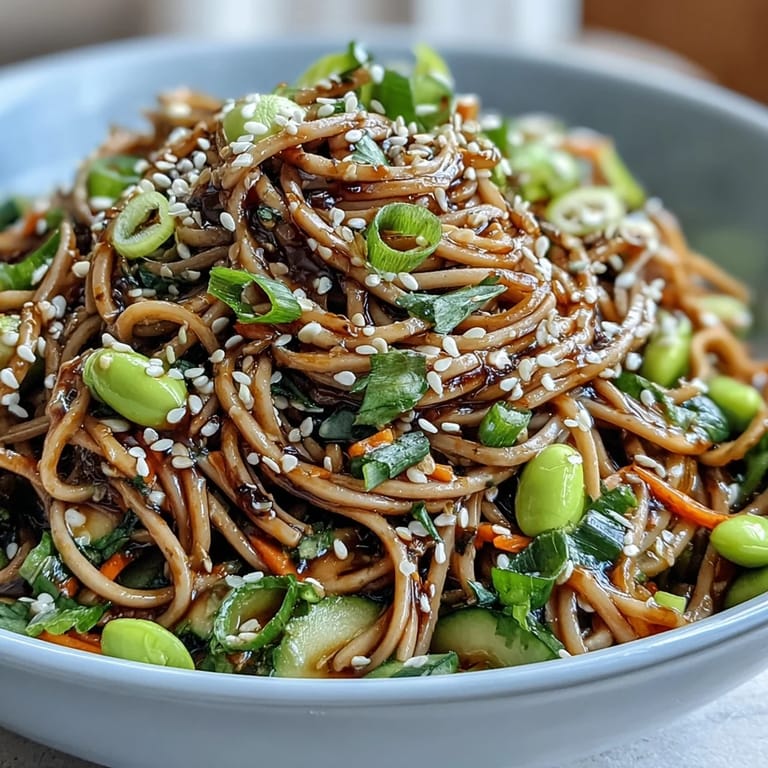
- Pour the remaining dressing over each bowl, then scatter sesame seeds and fresh herbs across the top. Serve immediately while the noodles are cool and the vegetables are still crisp.
 Save
Save There's something quietly satisfying about eating a bowl like this—no guilt, no heaviness, just vegetables and noodles and a dressing so good you want to scrape the bottom. I've served it to people who claim they don't eat salads and watched them empty their bowls without complaint.
Making It Your Own
This bowl is a foundation, not a rulebook. I've added grilled tofu when I wanted extra protein, swapped the cucumber for crisp snap peas on weeks when the farmer's market had them, and once threw in shredded beets just because they were beautiful and red. The dressing holds everything together, so the vegetables are flexible.
The Dressing That Changes Everything
The sesame dressing is honestly why this bowl works at all. It's savory and tangy with a whisper of sweetness, and it has just enough body from the tahini that it doesn't run off the noodles like a puddle. I've made it ahead and kept it in a jar for days, using it on grain bowls, steamed vegetables, and even leftover roasted chicken when I ran out of actual salad dressing.
Serving and Storage Tips
This bowl is best served cold or at room temperature, making it perfect for meal prep or last-minute entertaining. The noodles and vegetables can be prepared hours ahead—just keep the dressing separate and add it just before eating so everything stays fresh and crisp. If you're packing this for lunch, put the dressing in a separate container and toss it together at your desk; your future self will thank you for the prevention of soggy noodles.
- Leftovers keep for two days in the fridge, though the vegetables will soften slightly and the noodles may absorb more dressing.
- For a gluten-free version, use 100 percent buckwheat soba noodles and swap regular soy sauce for tamari.
- Add a soft-boiled egg or grilled tofu on top if you want to turn this light lunch into something more hearty and protein-forward.
 Save
Save This is the kind of recipe you'll make over and over without getting tired of it, each time finding small ways to make it your own. It's proof that simple food, when made with attention, tastes like something worth your time.
Questions & Answers for Recipes
- → How do I prevent soba noodles from sticking?
Rinse cooked soba noodles thoroughly under cold water to remove excess starch and prevent them from sticking together.
- → What can I use instead of tahini?
You can substitute tahini with smooth peanut butter or another nut butter, bearing in mind any allergy considerations.
- → Can I make this gluten-free?
Yes, ensure your soba noodles are 100% buckwheat and replace soy sauce with tamari to keep it gluten-free.
- → How do I adjust the dressing consistency?
Add small amounts of water to the dressing while whisking until it reaches a smooth, pourable consistency.
- → What herbs complement the dish best?
Fresh cilantro or mint leaves add brightness and freshness, enhancing the overall flavor profile.
- → Can I add protein to this bowl?
Yes, grilled tofu or a soft-boiled egg are excellent protein additions that blend well with the flavors and textures.