 Save
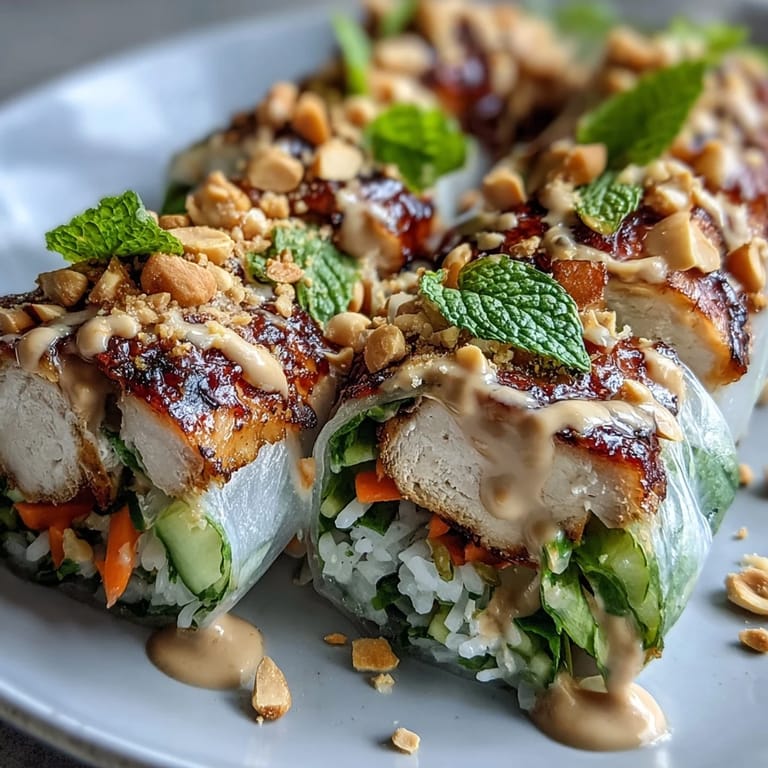
Save My neighbor ducked over the fence one summer afternoon with a takeout container of these gorgeous deconstructed spring rolls, and I watched her eat them straight from the bowl with chopsticks while sitting on her porch. She explained how she'd gotten tired of rolling rice paper tight and wanted something faster, messier, more honest. That bowl changed everything about how I thought Vietnamese food could work at home.
I made this for a dinner party where one guest was vegan, another had a soy allergy, and a third person just really hated cilantro. Instead of spiraling, I set out every component separately and let everyone build their own bowl. It turned into this beautiful, chaotic moment where people were mixing and tasting and swapping things around, and suddenly the meal felt less like I'd cooked for them and more like we were cooking together.
Ingredients
- Rice paper sheets: These are your textural anchor, and the trick is not to oversoak them or they'll tear to shreds when you cut them. Quick dips in warm water are all they need.
- Jasmine rice or vermicelli noodles: Pick whichever makes your heart happy; the rice is heavier and more filling, while noodles give you a lighter feel.
- Protein (chicken, tofu, or shrimp): Season generously before cooking because bland protein will let down the whole bowl. I've learned this the hard way.
- Fresh vegetables: The crispness here matters tremendously, so don't prep these more than a few hours ahead or they'll start sweating and losing their snap.
- Fresh mint and cilantro: These aren't garnish, they're essential flavor, so don't skimp or substitute them with dried herbs.
- Peanut butter: Use the creamy kind unless you genuinely love texture, and make sure it's unsweetened so the sauce stays savory.
- Soy sauce, hoisin, rice vinegar, and lime juice: This quartet creates the umami backbone, and balancing them is what separates an okay sauce from one you'll want to drink straight.
- Sriracha: Optional but recommended, especially if your other ingredients are running mild.
- Roasted peanuts and fried shallots: These finish the bowl with crunch and a little luxe, making it feel like you've put in serious kitchen time.
Tired of Takeout? 🥡
Get 10 meals you can make faster than delivery arrives. Seriously.
One email. No spam. Unsubscribe anytime.
Instructions
- Soften the rice paper with respect:
- Fill a shallow dish with warm water and dip each sheet for just five to ten seconds, then lay it out on a clean towel to firm up slightly. Don't rush this or skip it thinking you'll work with dry paper, because that's a path to frustration and broken pieces.
- Cook your protein until it's golden:
- Whether you're grilling chicken, pan-frying tofu, or warming shrimp, season it well and don't crowd the pan. Let it develop some color and flavor before you slice or cube it.
- Slice and julienne your vegetables with intention:
- Take your time here because these pieces are raw and visible, so they deserve to be cut consistently and with care. Thin, uniform cuts also mean they'll soften slightly as they sit in the warm rice.
- Whisk the peanut sauce until it sings:
- Combine peanut butter, soy sauce, hoisin, rice vinegar, and lime juice in a bowl, then slowly add warm water until you reach a consistency that's pourable but still coats a spoon. Taste and adjust the sriracha based on your tolerance.
- Build your bowls with abandon:
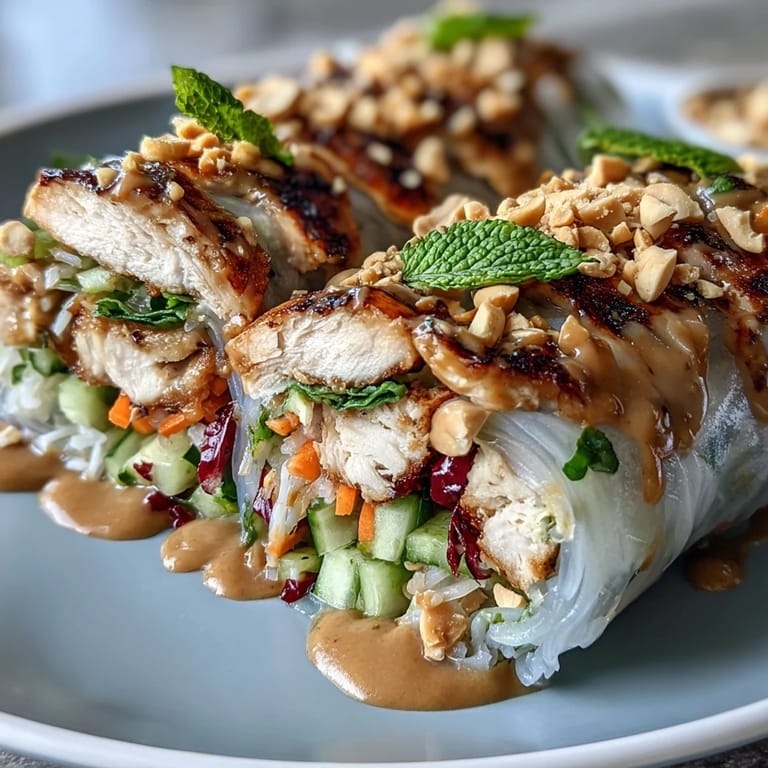
- Start with rice or noodles, then layer in rice paper shards, vegetables, greens, and herbs. Top with your protein and drizzle the peanut sauce generously across the top.
- Finish and serve immediately:
- Sprinkle chopped peanuts and fried shallots over everything, set lime wedges on the side, and eat while the rice is still warm and the vegetables are still snapping with crispness.
 Save
Save There's something about eating from a bowl where every piece stays distinct and separate that makes you slow down. You're not chewing through a unified roll; you're tasting the snap of rice paper, the earthiness of herbs, the creaminess of sauce, all at once but also individually.
The Magic of Deconstructed Meals
Once you realize that deconstruction isn't about laziness but about giving yourself and your guests permission to eat what they want, it changes how you approach the whole kitchen. You're not controlling the experience anymore; you're curating options. This bowl taught me that sometimes the best meals are the ones where the cook steps back and lets people have a little agency.
Why Rice Paper Matters Here
Rice paper is usually a vehicle for spring rolls, but scattered and raw over a warm bowl, it becomes something unexpected. It gets soft and slightly chewy without ever being mushy, and it carries sauce beautifully while still maintaining this delicate texture that cooked ingredients can't quite achieve. I've tried substituting it with crispy wontons or rice crackers, and nothing lands the same way.
Building Flavor Through Layers
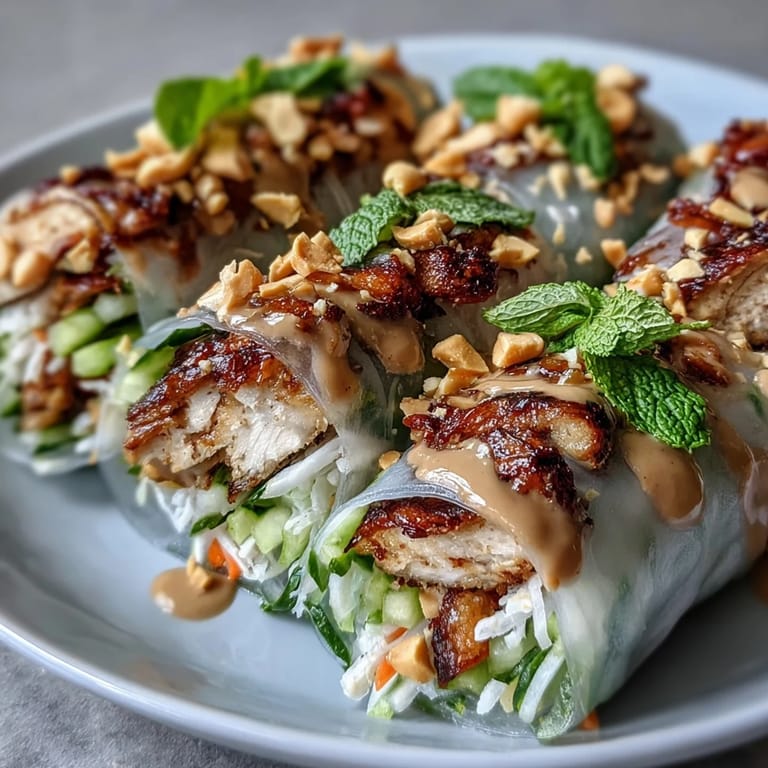
The peanut sauce is your binding agent, but each component of this bowl is doing its own flavor work too. The vegetables are bright and clean, the herbs are aromatic and alive, the rice is warm and grounding, and the protein is your anchor. When you bring them together with that creamy, tangy, slightly spicy sauce, you're not just mixing ingredients; you're creating this moment where everything makes sense together.
- Taste your sauce before it goes into the bowl and don't be shy about adding more lime juice or sriracha if you need it.
- If you're making this ahead for meal prep, keep the components separate and assemble just before eating so nothing gets soggy.
- Leftover sauce keeps in the refrigerator for a week and works beautifully on grains, vegetables, or as a dip for fresh fruit.
 Save
Save This bowl sits somewhere between a salad and a proper meal, which means it works for lunch when you want something substantial but also for dinner when you want something bright. Make it your own, taste as you go, and remember that the best version is always the one that makes you happy to eat.
Questions & Answers for Recipes
- → How do I prepare rice paper for bowls?
Fill a large shallow dish with warm water. Submerge each rice paper sheet for 5–10 seconds until just softened, then place on a clean towel. Stack 2–3 sheets at a time and cut into rough strips or squares before adding to your bowl.
- → Can I make this bowl ahead of time?
Prepare all components in advance and store separately. The vegetables stay fresh for 2–3 days when refrigerated in airtight containers. Make the peanut sauce up to a week ahead. Assemble bowls just before serving to maintain the crisp texture of rice paper pieces.
- → What protein options work best?
Grilled chicken breast, firm tofu, or cooked shrimp are excellent choices. For tofu, press and cube before pan-frying or baking until golden. Chicken should be sliced thinly against the grain for tenderness. Shrimp adds natural sweetness and cooks in minutes.
- → How can I adjust the peanut sauce consistency?
The sauce should be smooth and pourable but still coat the back of a spoon. Start with 2 tablespoons of warm water, adding more as needed while whisking continuously. The sauce will thicken slightly as it sits, so make it slightly thinner than your desired final consistency.
- → What vegetables can I substitute?
Snap peas, radishes, bean sprouts, or shredded green papaya all work beautifully. Add avocado for creaminess or pickled vegetables for tangy contrast. Keep vegetables julienned or thinly sliced for the best texture and eating experience.
- → Is this bowl gluten-free?
Yes, when using tamari instead of regular soy sauce and ensuring your hoisin sauce is certified gluten-free. Most rice paper brands are naturally gluten-free, but always check labels. The dish is also dairy-free and easily adaptable for vegan diets using plant-based protein.