 Save
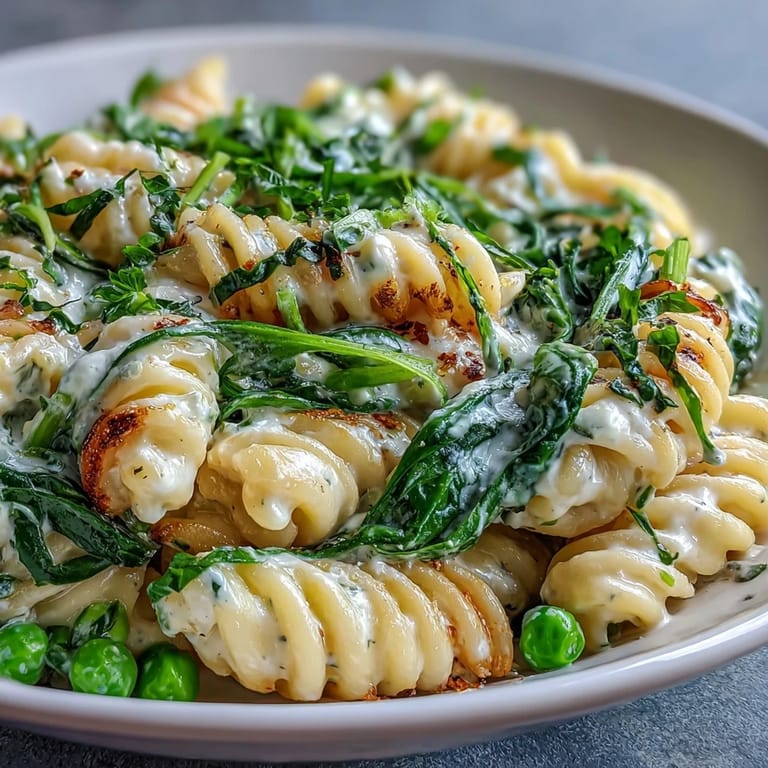
Save The scent of garlic sizzling in olive oil fills the air before anything else when I make this one-pot lemon ricotta pasta. There&s always something a little daring about pouring everything—pasta, peas, and all—into a single pot and watching it work its magic. I stumbled into this method on a weeknight when my energy and time were both in short supply but craving something vibrant and creamy. For me, the surprise lies in how the lemon and ricotta turn simple pantry staples into something sunlit and lively. It&s the kind of dish that makes your kitchen smell like pure possibility.
I once made this for friends on one of those last-minute dinner invites, with everyone crowded around the counter sipping wine and stealing bites of peas straight from the pan. Someone started telling a funny story about a disastrous pasta night, just as the ricotta was melting into everything. By the time the pasta was tossed and steaming, all that was left was laughter and a kitchen filled with warmth. I don&t think anyone noticed that I forgot to set the table until we were already halfway through the bowls. Sometimes, messy, happy cooking is the best kind.
Ingredients
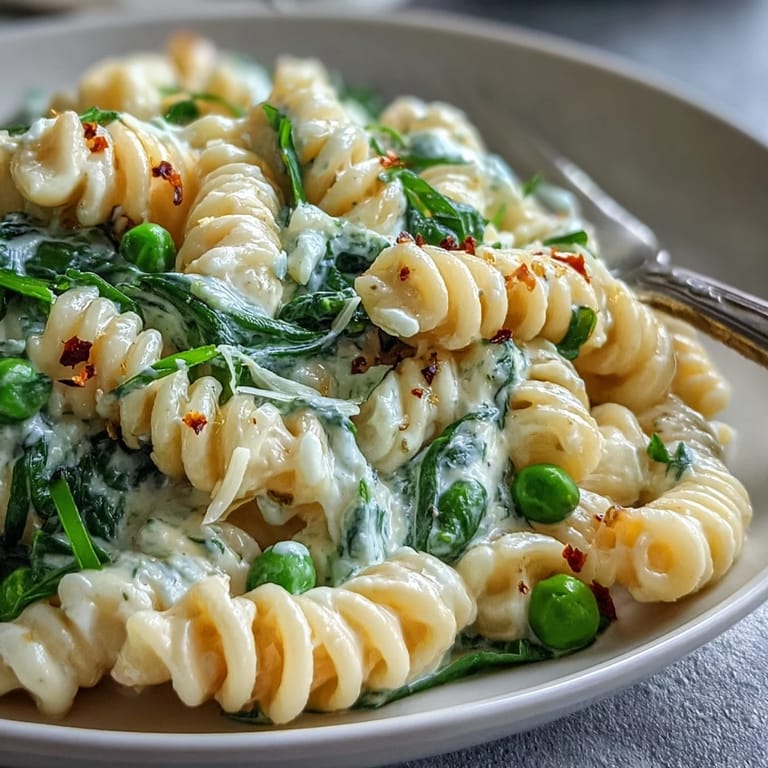
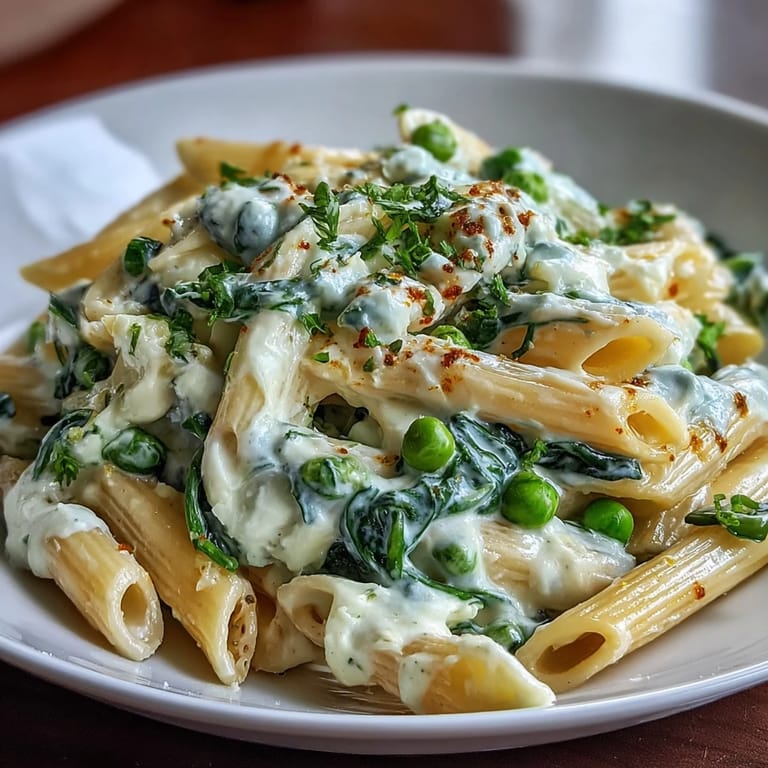
- Short pasta (penne, fusilli, or similar): The way the ridges catch the sauce means you get lemony, creamy goodness in every bite—don&t be shy about switching shapes depending on your mood or what&s in your pantry.
- Ricotta cheese: This gives the dish its creamy, cloud-like base; I learned early on that full-fat ricotta means maximum flavor and silkiness.
- Grated Parmesan cheese: Adds sharpness and saltiness—freshly grated really makes a difference for that nutty pop at the end.
- Whole milk: Keeps the sauce just loose enough so everything glides together beautifully, rather than turning sticky.
- Green peas (frozen or fresh): They brighten the pasta with sweetness and color; I sometimes toss them in straight from the freezer and they cook just fine.
- Fresh spinach: Piled in at the end, it wilts down and disappears into the sauce, adding freshness without effort.
- Garlic: Minced and cooked gently—it should smell fragrant, not browned, for a mellow depth.
- Lemon (zest and juice): The zest perfumes the whole pot, while the juice adds the finishing sparkle to the sauce.
- Olive oil: A splash to start, it gives the garlic a silky embrace and keeps everything lively.
- Salt and black pepper: Taste as you go—the lemon and cheese need some salt, but don&t be afraid to adjust at the end.
- Optional garnish (lemon zest, basil or parsley): These fresh bits punctuate the creamy pasta with little bursts of color and fragrance.
Tired of Takeout? 🥡
Get 10 meals you can make faster than delivery arrives. Seriously.
One email. No spam. Unsubscribe anytime.
Instructions
- Sauté the garlic:
- Drizzle olive oil into your largest skillet or Dutch oven and warm it over medium heat. Toss in the minced garlic and let it sizzle gently for about a minute—just until it smells irresistible but isn& browned.
- Combine pasta and peas:
- Add the dry pasta and green peas straight to the pot along with a generous pinch of salt. Pour in enough water to barely cover everything, about four cups, and watch as the bubbles start to form.
- Cook until al dente:
- Once it&s boiling, lower the heat and let the pasta simmer uncovered, stirring every now and then. Most of the water should be absorbed, and the pasta should be just tender—this usually lines up with the timing on the package.
- Wilt the spinach:
- Scatter in the spinach and give it a good stir; it shrinks fast and almost disappears into the pasta, which is exactly how it should be.
- Create the creamy sauce:
- Bring the heat down low and stir in the ricotta, Parmesan, milk, lemon zest, and juice. Toss everything until the cheese melts into the sauce and every piece of pasta looks glossy and inviting.
- Season and serve:
- Sprinkle on plenty of black pepper and adjust the salt, if needed. Serve right away, finishing with a bit more zest and fresh herbs if you like.
 Save
Save 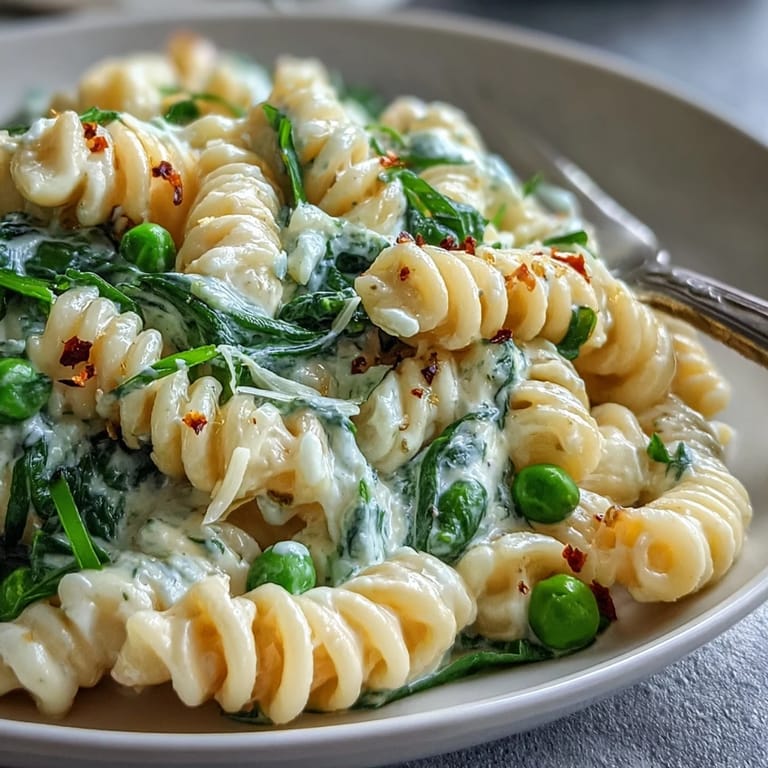 Save
Save One rainy afternoon, eating this pasta straight from the pot, I realized it had become my comfort ritual for gray days. Something about the tangy lemon and creamy ricotta has a way of pulling a little bit of sunshine back into the room, no matter what’s going on outside.
How to Adjust for What&s On Hand
I&ve swapped the spinach for arugula or baby kale when that&s what was wilting in the crisper, and tossed in whatever small-shaped pasta I found lurking in half-empty boxes. I&ve tried it with a splash of cream instead of milk in a pinch—still delicious. Even leftover roasted veggies or grilled chicken have found their way into this pot for heartier nights. The great thing is, the foundation holds up, even when you play jazz with the details.
Making It Extra Special
Sprinkle in a handful of toasted pine nuts for a little crunch, or swirl in some chili flakes if you&re in the mood for heat. Pouring a crisp white wine while stirring gives the kitchen a bit of a trattoria feel, and a few extra herbs brighten the whole dish. Sometimes, I just double the lemon if I have one too many on the counter. Having friends over? Bring the whole pot to the table for a more relaxed, family-style dinner.
Little Things to Remember for Pasta Success
Not every batch of pasta soaks up water the same way, so keep an eye out and feel free to add a splash more if it& sticking. Go light on the salt at first—once the cheese and lemon go in, you&ll want to taste again before adjusting. Resist the urge to overcook the spinach, as it wilts in almost no time.
- If your sauce gets too thick, add a bit more milk before serving.
- Lemon zest is your friend—don& skip it for brightness.
- This pasta is best eaten straight away, while it& creamy and vivid.
 Save
Save 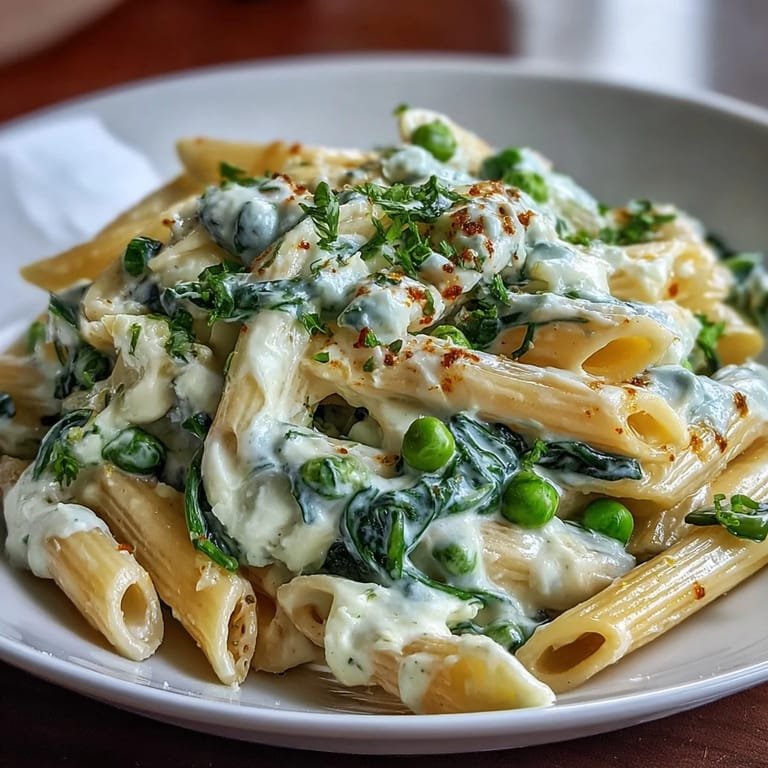 Save
Save I hope this one-pot lemon ricotta pasta brings as much light and comfort to your table as it has to mine. Here&s to easy dinners that still feel just a little bit special.
Questions & Answers for Recipes
- → Can I use any short pasta shape?
Yes — penne, fusilli, or small shells work well because their nooks hold the creamy ricotta sauce, giving a balanced bite in each forkful.
- → How do I keep the sauce creamy and not grainy?
Reduce heat to low before adding ricotta and milk, and stir gently until the cheeses melt. Avoid boiling once dairy is added to prevent separation.
- → Are frozen peas okay to use?
Absolutely. Add them with the pasta so they cook through as the pasta softens; they keep their texture and add sweetness without extra steps.
- → Can I make this ahead and reheat?
Store cooled leftovers in an airtight container for up to 3 days. Reheat gently with a splash of milk or water over low heat to revive the sauce and prevent drying.
- → What can I substitute for ricotta?
Cottage cheese blended until smooth, mascarpone, or a soft goat cheese can be used for a similar creamy finish, though flavors and richness will vary.
- → How do I brighten the dish if it tastes flat?
Add a touch more lemon juice or a few grinds of black pepper at the end, and finish with fresh herbs or extra lemon zest to lift the flavors.