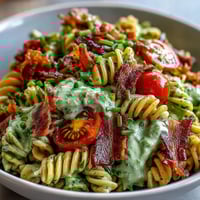
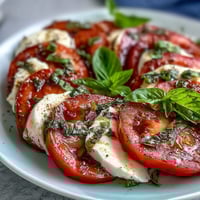
 Save
Save There was a day when the fridge was bare and I was halfway through making a sandwich when I realized I was out of mayonnaise. In a moment of unexpected inspiration, I grabbed my immersion blender and some pantry staples, certain I could whip up something close to the store-bought jar. I remember the quiet whir of the blender, the gentle perfume of mustard and vinegar swirling together, and suddenly, creamy mayo was ready in less time than it took to toast the bread. It felt almost magical—and far more delicious than anything I'd tasted before. That spontaneous kitchen scramble turned into my go-to condiment solution.
One rainy weekend, I made a batch with my sister beside me, both of us giggling as she skeptically watched the oil and egg transform into a creamy swirl in seconds. The sound of the blender became our little inside joke, and now she always asks for homemade mayo when she's over. It's a recipe that seems to invite conversation and surprises every time it's made. I still remember her delight at how fast it went from liquid to thick and glossy. Making it together felt like a small bit of magic in the heart of the kitchen.
Ingredients
- Egg (room temperature): Starting with a room temperature egg helps everything emulsify quickly—trust me, cold eggs make the mixture stubbornly thin.
- Dijon mustard: Adds just enough bite and helps stabilize the emulsion for that perfect creamy result.
- White wine vinegar or lemon juice: I learned that lemon juice brings freshness, while vinegar offers classic tang—so choose according to your mood.
- Neutral oil: Sunflower or canola will let the other flavors shine; don't use olive oil unless you crave a bolder mayo.
- Fine sea salt: Allows the flavor to pop without grainy bits.
- Freshly ground black pepper (optional): Adds just a hint of heat—skip it if you want pure creamy smoothness.
Tired of Takeout? 🥡
Get 10 meals you can make faster than delivery arrives. Seriously.
One email. No spam. Unsubscribe anytime.
Instructions
- Prep the Container:
- Grab a tall, narrow container; this shape lets the blender work its magic and keeps splatter to a minimum.
- Add Base Ingredients:
- Drop in your egg, mustard, vinegar or lemon juice, salt, and pepper—I always crack the egg gently to avoid shell bits.
- Top with Oil:
- Pour your oil gently on top; I found that layering helps the mayo emulsify faster.
- Blend at the Bottom:
- Insert the immersion blender until it hits the base, then pulse—you'll hear a low whir as the mixture starts to turn pale and creamy underneath.
- Lift and Blend:
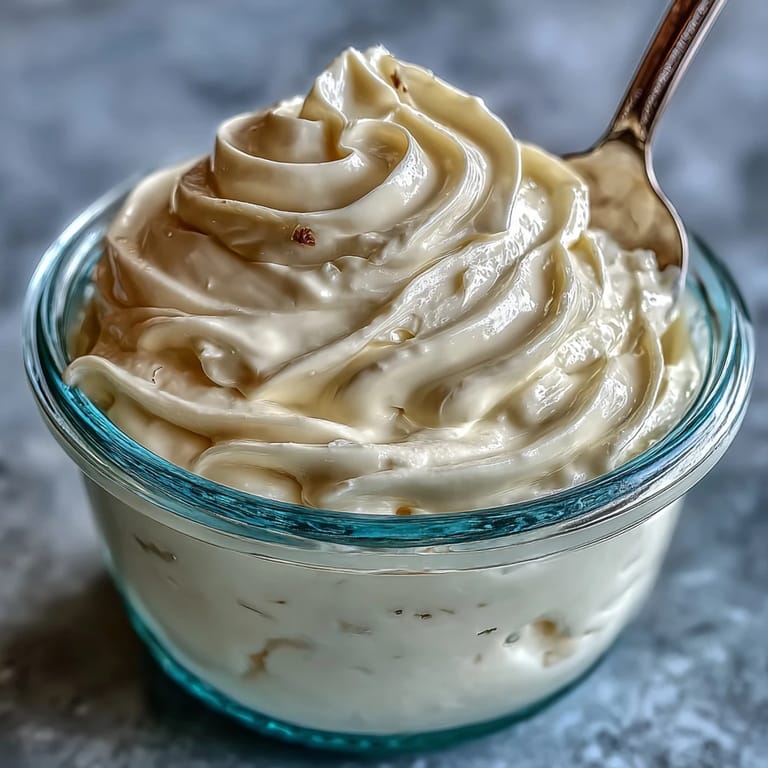
- Slowly raise the blender, moving it up and down; within 30 seconds, you’ll see all the oil vanish into glossy mayo.
- Taste and Adjust:
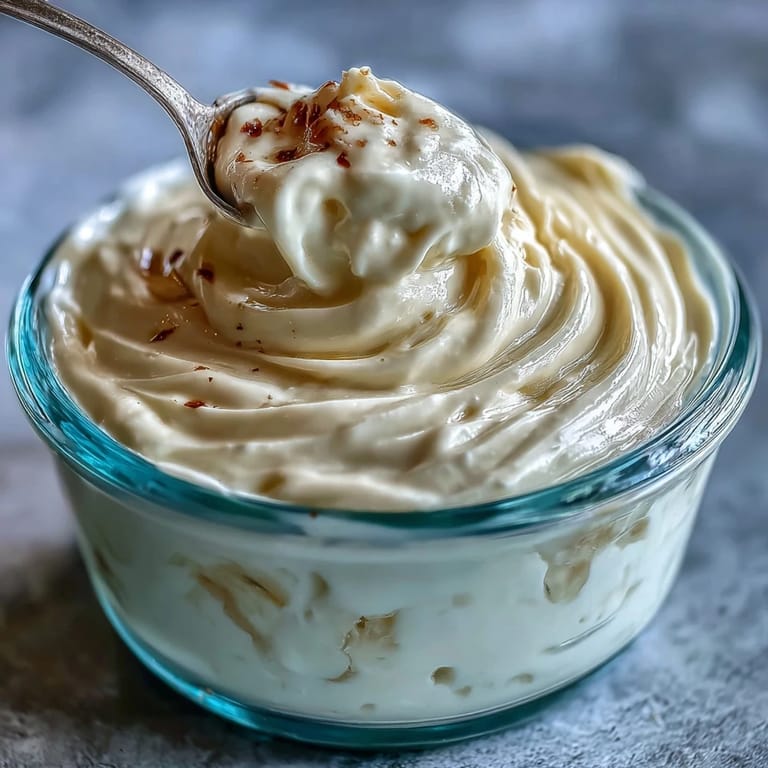
- Scoop a bit with a spoon, and tweak with salt or extra vinegar if you want more bite.
- Store and Chill:
- Transfer to a clean jar, seal tightly, and chill in the fridge—remember, homemade doesn't last forever, so use within a week.
 Save
Save The moment this mayo truly won me over was during a summer potluck—everyone was raving over my potato salad, not realizing it was the homemade mayonnaise that gave it such depth. Sharing the secret made the compliments even sweeter. Suddenly, the recipe felt like a badge of pride in my family gatherings.
What To Do With Leftover Mayo
I learned that a dollop on roasted veggies or mixed into salad dressings transforms them from ordinary to irresistible. Sometimes, I stir in minced garlic or chopped herbs for an instant aioli, and it becomes the centerpiece at burger night. There’s always some left over, and those little tweaks make sure none goes to waste.
Flavor Twists To Try
Experimenting in the kitchen led to sweet paprika mayo for grilled chicken and fresh dill mayo on salmon—each variation encouraged me to trust my taste buds. It’s simple to personalize: just stir in spices or citrus zest after blending. Unexpected favorites happen when I’m bold with add-ins.
Safe Storage and Serving Advice
Don’t forget to use a spotlessly clean jar and always refrigerate your mayo straight away, as fresh ingredients deserve care. Any leftovers need to be eaten within a week—homemade doesn’t have commercial preservatives, but the flavor is worth it.
- If you notice separation, stir it gently instead of shaking.
- Pasteurized eggs boost food safety, especially for kids or seniors.
- When in doubt, trust your nose—if it smells off, toss it.
 Save
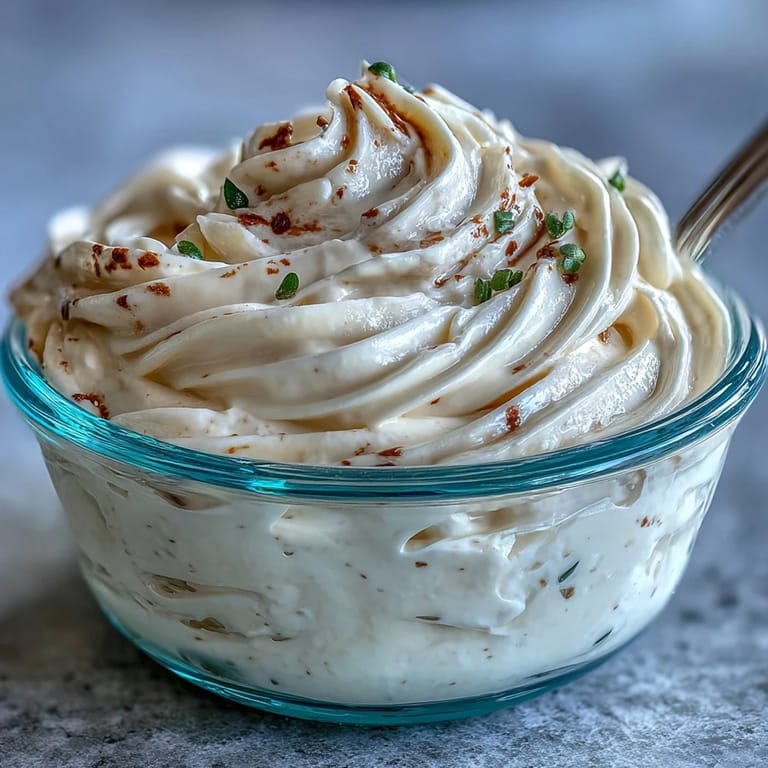
Save Mayonnaise made by hand adds a little spark to the meal—try it once, and you won't believe how easy it is. Every batch feels like a small kitchen victory.
Questions & Answers for Recipes
- → How do I prevent my mayonnaise from separating?
Ensure your egg is at room temperature and blend slowly, moving the immersion blender gently to fully emulsify the mixture.
- → Can I use olive oil for mayonnaise?
Yes, but olive oil will add a stronger flavor. Choose light olive oil or a neutral oil for a milder taste.
- → How long does homemade mayonnaise last?
Store mayonnaise in a tightly sealed jar in the refrigerator and use within one week for best freshness and safety.
- → Is it safe to use raw eggs in mayonnaise?
If you're concerned about raw eggs, use pasteurized eggs to minimize any risk. Refrigerate immediately after making.
- → How can I make my mayonnaise tangier?
Add extra vinegar or lemon juice up to two teaspoons for a bright, tangy flavor boost in your mayo.
- → What tools are needed to make mayonnaise?
An immersion blender, tall blending container, measuring spoons, and a jar with lid are essential for easy preparation and storage.